


Life can sometimes feel like navigating a vast, bustling world while carrying a quiet solitude within. Whether it’s triggered by a specific event or a more pervasive sense of disconnection, feeling lonely can affect anyone, regardless of background or circumstance. In those moments, the power of human connection becomes impossible to overstate — the simple act of sharing your thoughts with a compassionate ear can feel like coming up for air.
Knowing there’s a safe, non-judgmental space to voice your experiences, process your emotions, or simply feel truly heard is a vital step toward easing isolation and rebuilding a sense of belonging. This guide looks at why connection matters so much, what the research says about it, and — most importantly — practical ways to find someone to talk to when you need it most.
Why Human Connection Matters So Much
It’s a fundamental human need to feel understood and validated. When we carry our burdens in silence, they tend to feel heavier. Having someone listen attentively, without offering unsolicited advice or judgment, can provide immense relief and clarity. It’s in these moments of shared vulnerability that we begin to process our experiences, gain new perspective, and remember that we are not alone in our struggles.
Finding a space where you feel comfortable enough to open up and be your authentic self is a crucial part of nurturing emotional well-being and building resilience against loneliness. Meaningful connection isn’t a luxury — it’s a core ingredient of mental health, right alongside sleep, movement, and nutrition.
What the Research Says About Connection and Loneliness
Loneliness isn’t simply about being physically alone — it’s the gap between the connection you want and the connection you actually have. You can be surrounded by people and still feel unseen, or spend an evening alone and feel completely at peace. Researchers who study social health have found that:
- Strong social ties are linked to better cardiovascular health, a stronger immune system, and greater longevity.
- Chronic loneliness is associated with elevated stress hormones and a higher risk of anxiety and depression.
- Positive social interaction triggers the release of oxytocin, a hormone that builds trust and eases stress in the moment.
- Even brief, low-stakes conversations with a supportive listener can measurably lift mood and reduce feelings of isolation.
In other words, connection isn’t just an emotional nicety — it’s a biological need. That’s exactly why presence, not perfection, is often enough to make someone feel better. You don’t need to solve a problem to help a person feel less alone; you just need to show up and listen.
Signs You Might Be Craving Deeper Connection
Loneliness doesn’t always look like being physically by yourself. Some common signs include:
- Feeling emotionally distant even when you’re with friends or family.
- Replaying conversations in your head because you didn’t feel able to say what you really meant.
- Avoiding calls or messages because it feels easier than explaining how you actually feel.
- A persistent sense that no one really “gets” what you’re going through.
If this sounds familiar, you’re far from alone. As we explored in I Need Someone to Talk to, But Not My Friends, sometimes the people closest to us aren’t the right audience for what we’re carrying — and that’s completely okay.
How to Build Meaningful Connections
Rebuilding a sense of connection doesn’t require a complete lifestyle overhaul. Small, consistent steps tend to work best:
- Start small. A short, honest conversation is more valuable than a long, guarded one.
- Practice active listening. Turning your empathy outward, toward other people, often strengthens your own sense of connection too.
- Say the real thing. Instead of “I’m fine,” try naming what you’re actually feeling — it invites people to meet you there.
- Make it a habit. Regular, low-pressure check-ins with someone you trust build connection faster than rare, high-stakes talks.
- Widen the circle. If your usual circle isn’t available, anonymous and confidential support can fill the gap without judgment.
If you’re the kind of person who’s always supporting everyone else, it’s worth reading Turn Your Empathy into a Support System — connection has to flow both ways to actually protect your well-being.
When You Need Someone to Talk to Right Now
Some nights, loneliness doesn’t wait for a convenient time. If you’re searching for someone to talk to right now, you don’t have to wait for a scheduled therapy slot or hope a friend happens to be free. Loqui Listening offers a confidential, anonymous space where you can connect with a real, empathetic listener through phone calls, text chats, or voice notes — whenever you need to talk.
It’s a place to freely express your thoughts and emotions, knowing a listening ear is ready to offer understanding and validation. Whether you’re processing a hard day or simply craving conversation, that kind of anonymous, judgment-free support can help you rediscover the power of human connection, one conversation at a time.
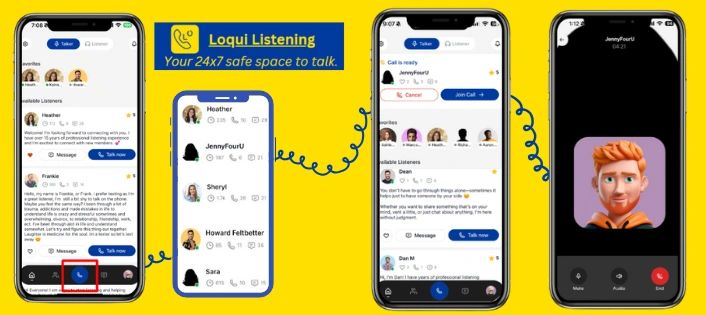
New Talk Now feature connects you with a listener Faster & on demand.
Frequently Asked Questions About Human Connection and Loneliness
Why is human connection so important for mental health?
Connection meets a basic psychological need to feel seen and understood. Regular, supportive interaction is linked to lower stress, better mood regulation, and a reduced risk of anxiety and depression.
Is it normal to feel lonely even when I’m surrounded by people?
Yes. Loneliness is about the quality of connection, not the number of people around you. It’s entirely possible to feel isolated in a crowded room or during a busy week full of surface-level interactions.
What can I do if I don’t have anyone to talk to?
Start with one honest conversation, even a short one. If your usual circle isn’t available or doesn’t feel like the right fit, confidential options like Loqui Listening connect you with a real listener anytime, with no need to explain your situation from scratch.
How quickly can connection improve my mood?
Even a single supportive conversation can ease stress in the moment. Lasting change tends to come from consistency — small, regular check-ins add up to real resilience over time.
Final Thoughts
Loneliness can feel isolating precisely because it convinces you that you’re the only one experiencing it — but the truth is, almost everyone knows this feeling at some point. The power of human connection lies in its simplicity: one honest conversation can be enough to remind you that you’re not alone.
If you’re ready to talk, download Loqui Listening and connect with a compassionate, anonymous listener today. And if you’d like to keep exploring this topic, visit the Loqui Listening blog for more articles like The Power of Being Heard and Why Finding People You Can Confide In Matters.


